Best Cars for Fort Campbell Families: Ford, Honda and Lincoln Compared
Choosing a family vehicle at Fort Campbell means solving for things most buyers never think about. A PCS eighteen months out. A deployment that leaves one driver at home. A garage in on-post housing that was not built for a modern three-row. Here is how the three brands at 2655 Trenton Road actually stack up against those problems.
The Question That Actually Decides It at Fort Campbell
Most vehicle guides start with body style. That is the wrong opening move for a military family. Start with two numbers instead: how many seats you need on the worst day, and how many months until your next set of orders.
The worst day is not the average day. It is the Saturday you have your three kids plus two more from the unit, headed to a soccer field on the other side of Clarksville. If that day happens more than a few times a year, you need a third row, and every argument about fuel and parking loses to it.
The orders question matters because it changes what you should optimise for. If you are here for four years, buy the vehicle that fits your life. If you are here for eighteen months and then heading somewhere with real winters or a serious commute, buy something that will still make sense at the next duty station. A vehicle bought for Clarksville weather can be a poor fit at Drum or Carson.
Everything below is organised by what each brand is genuinely good at for this specific set of problems. All three sit at one address, about 20 minutes from Gate 4, so you can drive across brands in a single afternoon rather than three separate trips.
Back to topFord for Fort Campbell Families: the Widest Range Under One Roof
Ford's advantage here is spread. The lineup runs from a compact crossover to a full-size three-row to a truck that will move a household without a rental, and a lot of Fort Campbell families end up owning two of them at once for exactly that reason.
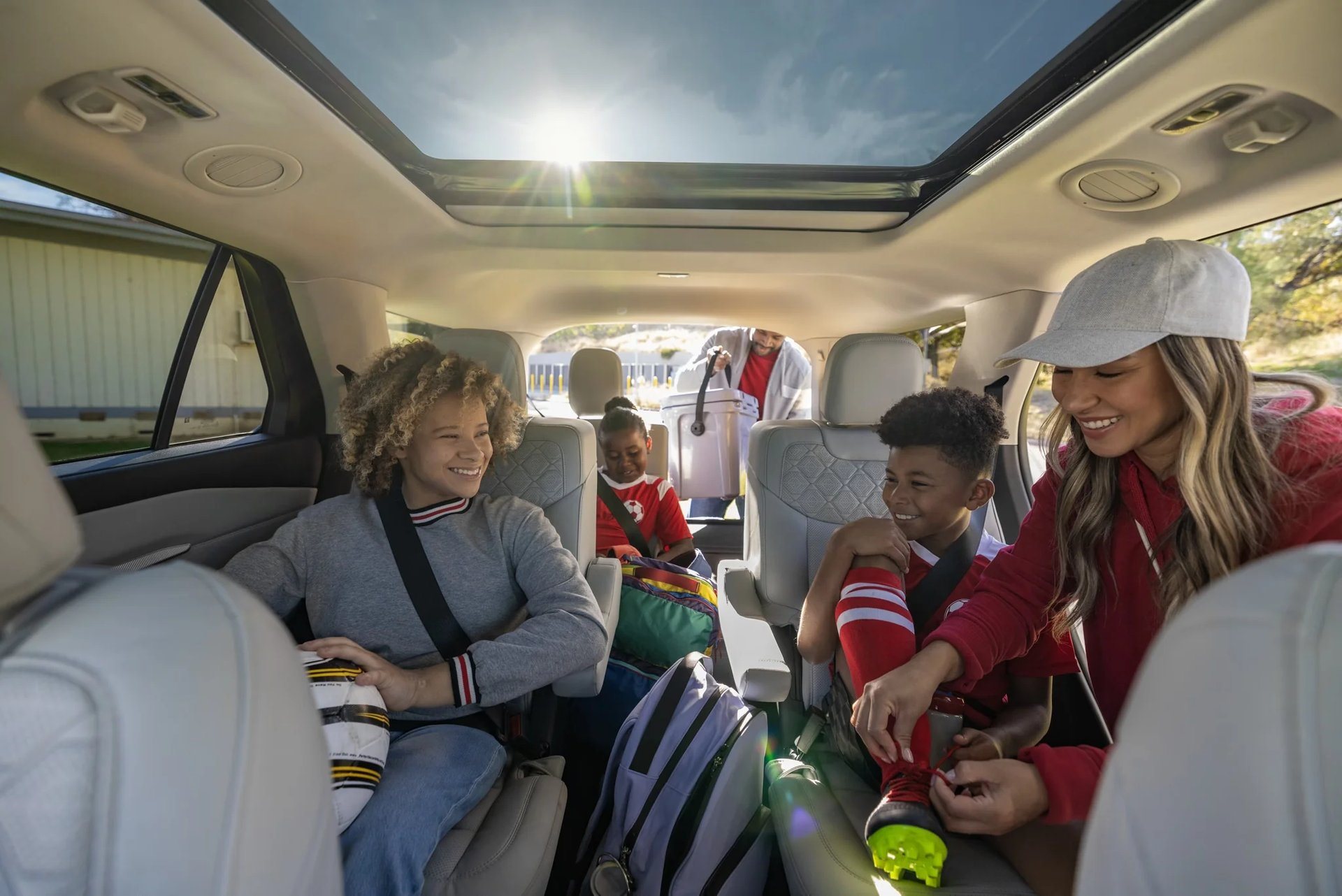
The Explorer is the default answer for a family that has outgrown five seats. It is a three-row SUV that does not drive like a bus, which matters when one of your drivers is doing the daily run down US-41A to the gate. The Escape covers the same job for a smaller family without the parking penalty.
The truck is the other half of the Ford argument. Between PCS moves, furniture from the exchange, and the fact that somebody in your circle is always moving, an F-150 in the driveway gets borrowed more than you expect. The Maverick is worth a look if that pitch appeals but the payment does not, which is a common position for junior enlisted families.
Explorer
THREE ROWS, UP TO 7 SEATSThe straightforward three-row pick. Handles carpools and holiday drives without feeling oversized on post.
View Explorer inventory >Escape
TWO ROWS, 5 SEATSRight-sized for a family of four who would rather not park a three-row in on-post housing.
View Escape inventory >Expedition
THREE ROWS, UP TO 8 SEATSFor larger families and anyone who tows. The third row here is a real seat, not a compromise.
View Expedition inventory >Honda for Fort Campbell Families: Seats, Sliding Doors, and the Long Haul
Honda's case rests on two things military families care about disproportionately: how many people fit, and whether the vehicle will still be sound after four duty stations and a couple of cross-country drives.
The Pilot is the seating answer. Eight seats across three rows covers your kids plus the neighbours' without anyone negotiating over who sits where. Second-row captain's chairs are available if you would rather trade a seat for easier access to the back, which is the right call for families still dealing with car seats.
The Odyssey deserves a serious look even if you have already decided against it. Sliding doors in a packed commissary lot on a Saturday are not a small thing, and the third row is genuinely usable rather than a place you put someone you are annoyed with. The objection to minivans is aesthetic. The case for them is practical.
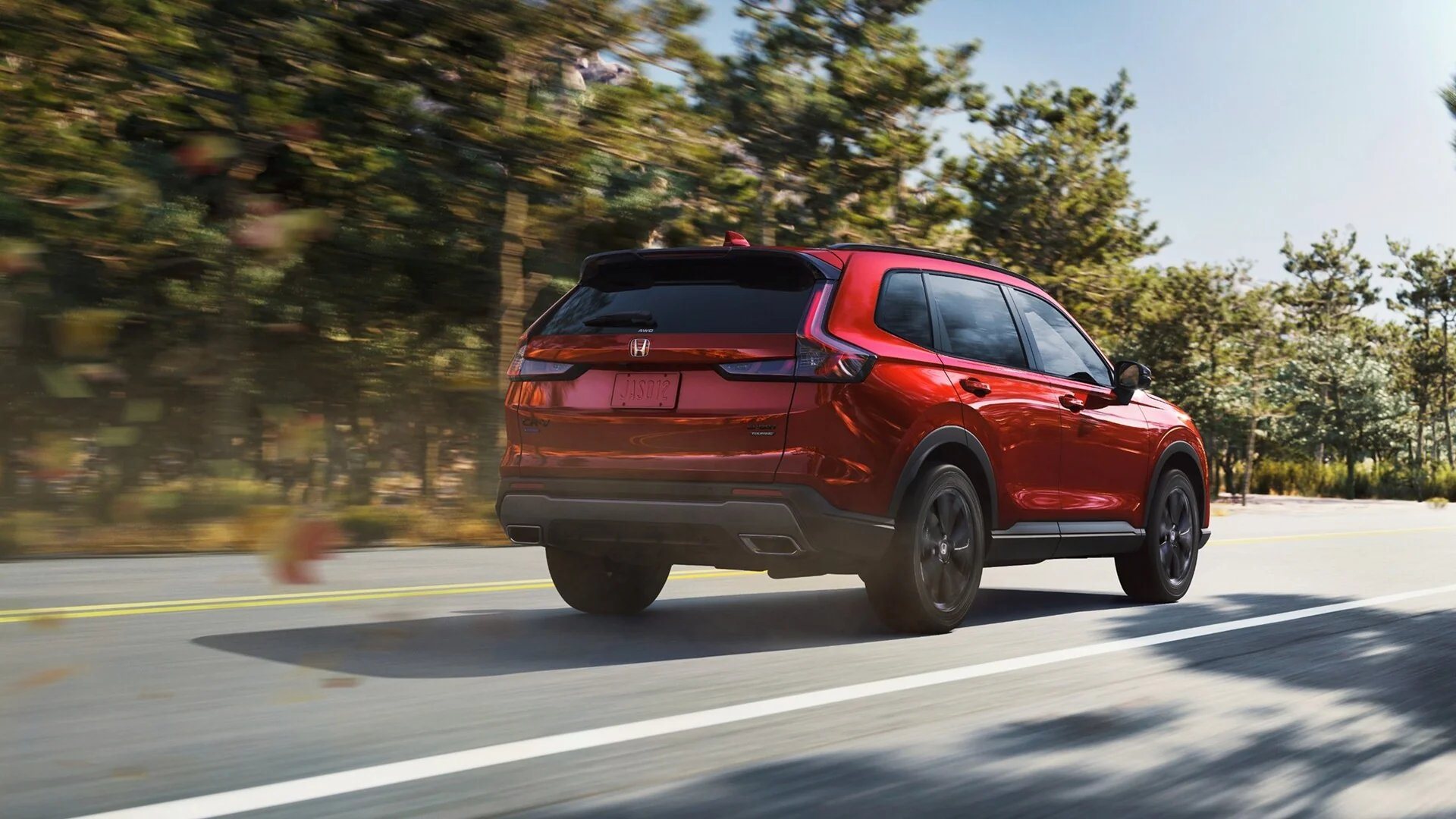
The CR-V is the volume answer for families of four or five, and the Ridgeline fills an odd but real gap: an open bed for the occasional haul without committing to a full-size truck.
Pilot
THREE ROWS, UP TO 8 SEATSThe seating pick. Eight seats means the carpool works without a second vehicle following behind.
View Pilot inventory >Odyssey
THREE ROWS, UP TO 8 SEATSSliding doors and a third row people will actually sit in. The practical answer, whatever its reputation.
View Odyssey inventory >CR-V
TWO ROWS, 5 SEATSThe default for a family of four or five who want space without a third row they rarely use.
View CR-V inventory >Lincoln for Fort Campbell Families: the Case for a Quieter Drive
Lincoln is the smallest slice of this conversation and the easiest to dismiss too quickly. The buyers it fits at Fort Campbell are specific: senior NCOs and officers, retirees who stayed in the area, and families who spend real hours on the interstate rather than the ten minutes to the gate.
The argument is not badge. It is noise and seat comfort over distance. If your family drives to Ohio or Georgia several times a year to see people, the difference between a quiet cabin and a loud one across six hours is not a luxury detail. It is whether anyone arrives in a decent mood.
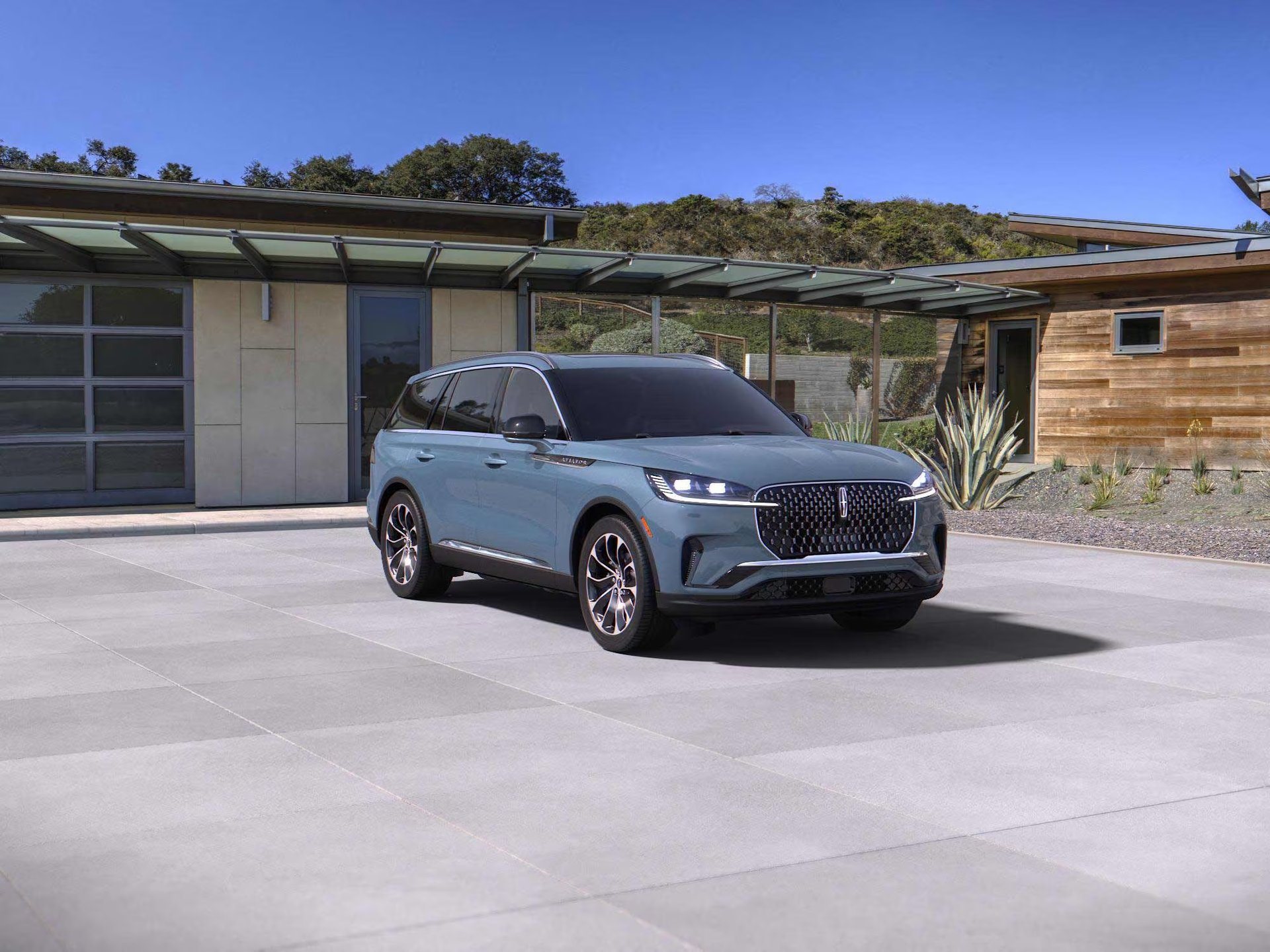
The Aviator is the three-row entry and the one most families here would actually choose. The Navigator is larger and suits people who tow or genuinely need eight seats. The Nautilus and Corsair are two-row vehicles for households past the car-seat years, which describes a lot of retired and senior families around Clarksville and Oak Grove.
Aviator
THREE ROWS, UP TO 7 SEATSThe three-row entry point, and the right starting place for most families considering the brand.
View Aviator inventory >Navigator
THREE ROWS, UP TO 8 SEATSThe full-size option, for larger families and for buyers who tow on a regular basis.
View Navigator inventory >Nautilus
TWO ROWS, 5 SEATSFor households past the car-seat stage who want a comfortable vehicle for long drives.
View Nautilus inventory >The Fort Campbell PCS and Deployment Checklist
This is the part that has nothing to do with which badge is on the grille, and it is where military families most often get caught out. Work through it before you sign anything.
- Measure the garage first. On-post housing at Fort Campbell varies widely by area and vintage. A three-row that fits your neighbour's driveway may not fit yours. Measure, then shop.
- Decide the registration question early. If you hold legal residency in another state, that is where the vehicle registers. Bring your LES and home-state license and the title office will tell you exactly what is required.
- If a deployment is on the calendar, plan for the vehicle sitting. Nine idle months are hard on batteries, tires, and brake rotors. Book a check before you leave and an inspection when you return.
- Sort the power of attorney before it is urgent. A spouse can complete a purchase with a valid POA, and that is far easier to arrange now than from a deployed location.
- Value your trade before you drive over. An online cash offer takes minutes and means you arrive knowing your position rather than discovering it.
- Use the 48 hours. The Love It or Leave It Price and Product Guarantee gives you 48 hours to return the vehicle for any reason. Park it in your actual driveway and load your actual kids into it before that window closes.
What Local Families Say
Questions Fort Campbell Families Ask
What is the best family vehicle for a Fort Campbell family?
Should I buy a vehicle before or after a PCS to Fort Campbell?
Will a three-row SUV fit in on-post housing parking at Fort Campbell?
Can a military spouse buy a vehicle while the soldier is deployed?
Do I need all-wheel drive around Fort Campbell and Clarksville?
What happens to my vehicle when I PCS out of Fort Campbell?
Is a minivan actually a better choice than a three-row SUV?
How long does it take to get to Jenkins & Wynne from Gate 4?
Three Brands. One Address. Twenty Minutes From the Gate.
Drive across all three in an afternoon instead of spending three Saturdays on it.